At CITYINNOHUB, digital transformation is part of our mission—but also part of our daily work. As Manager of the hub, I’ve had the chance to experience both the benefits and the frustrations that come with using digital tools to run complex projects, collaborate across teams, and report on results. And while we strongly believe in the power of technology, we’ve also learned that efficiency doesn’t automatically come with a login and a password.
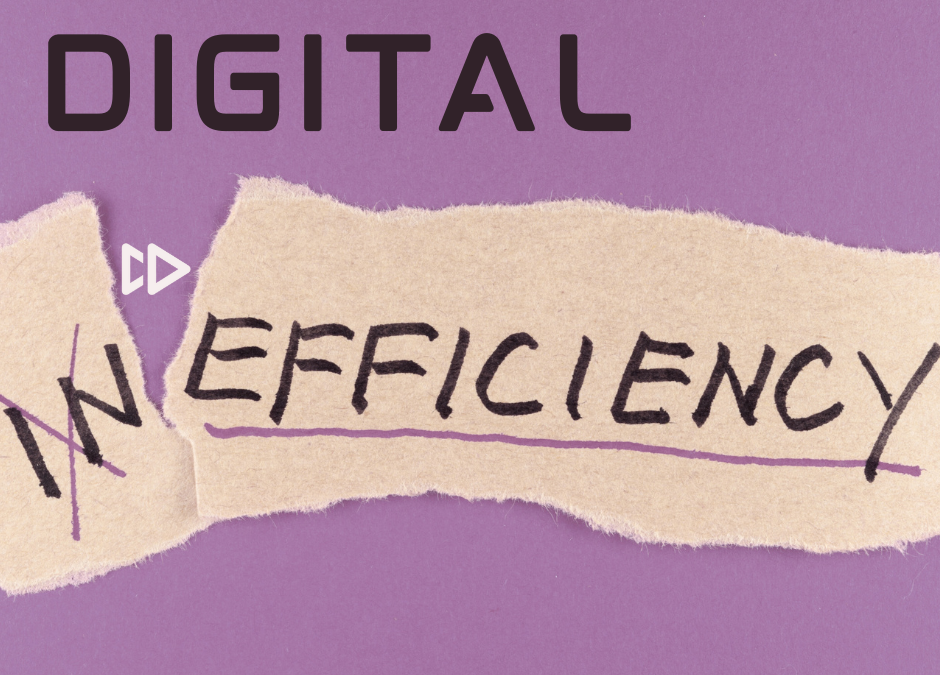
Some tools helped us streamline our work. Others, even though required or well-intended, made things harder. We’ve worked with platforms that are not intuitive, that force us to repeat the same data entry, or that don’t reflect the way our team actually works. In these cases, digital didn’t simplify our work, it complicated it. This taught us that just because something is digital doesn’t mean it’s efficient.
We’ve also realized that copy-pasting old processes into a digital format is not transformation. If a process is unclear or redundant on paper, turning it into an online form or a dashboard won’t fix it. It might even slow it down further. Real transformation starts by asking the right questions: What are we trying to achieve? What do users actually need? What steps add value, and which ones don’t? Only after rethinking the process can we choose the right tool to support it.
The digital tools that actually helped us were the ones that fit our way of working, saved time instead of adding steps, and made information more accessible for everyone on the team. They didn’t try to replace our judgment or over-structure every action. They made our work easier, not more complicated.
And that’s the core lesson: technology must serve a purpose, not just a trend. Efficiency comes from alignment, not from adding more tools. It’s not about being “more digital”, it’s about being more focused, more intentional, and more aware of how we work.
From inside CITYINNOHUB, we’ve learned that digital transformation only works when it’s designed for people, with people, and around a shared mission. Otherwise, it becomes just another system to manage, one more password, one more report, one more distraction.
The bottom line? Technology must work for us, not the other way around. And to make that happen, transformation must start with questions, not with tools.